
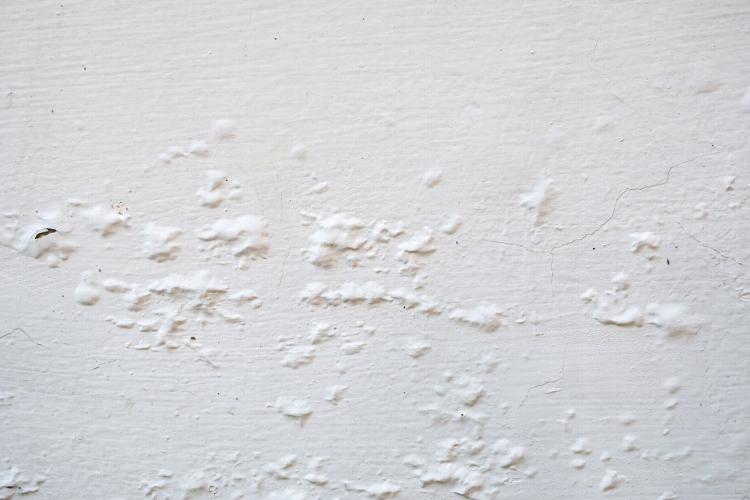
Painting exterior brickwork is often done to modernise a property, improve kerb appeal, or cover ageing masonry. However, many homeowners and commercial property owners are unaware that painting brickwork can sometimes create serious moisture problems, particularly when the wrong paint systems or preparation methods are used. Over time, trapped moisture behind painted surfaces can lead to damp exterior walls, peeling paint, internal damp patches, crumbling mortar, mould growth, and long-term structural deterioration.
In many cases, brick paint causing damp becomes an expensive issue that requires professional investigation and restoration. While painted brick can initially look clean and contemporary, brick and stone are naturally breathable materials. When they are sealed incorrectly, moisture becomes trapped within the wall system rather than escaping naturally.
This guide explains why painting brickwork can cause damp exterior walls, the most common causes of moisture problems, how to avoid damp issues on painted masonry, alternatives to painting brick, and what to do if exterior paintwork is already causing problems.
Why Painting Brickwork Can Cause Damp Exterior Walls
Brickwork is designed to breathe naturally. Traditional brick and mortar systems allow small amounts of moisture to pass through the wall and evaporate safely into the atmosphere. When exterior walls are coated with non-breathable paint systems, this natural moisture movement becomes restricted.
How Brick Walls Naturally Manage Moisture
Most exterior brick walls absorb small amounts of rainwater during wet weather. Under normal conditions, the moisture evaporates naturally once temperatures rise or weather conditions improve. This constant cycle of absorption and evaporation is part of how traditional masonry buildings function.
Problems begin when exterior paint traps moisture inside the wall.
Non-breathable coatings prevent evaporation, meaning moisture becomes locked within the masonry. Over time, trapped water begins affecting both the exterior and interior of the property.
Common signs of brick paint causing damp include:
- Bubbling or blistering paint
- Flaking masonry paint
- Damp patches appearing internally
- White salt deposits on brickwork
- Green algae and moss growth
- Crumbling mortar joints
- Cold or wet interior walls
- Mould growth inside the property
- Frost damage during winter
Properties throughout Hampshire and the South Coast are especially vulnerable due to frequent rainfall and high humidity levels. Coastal moisture exposure can worsen damp retention in painted brickwork.
Why Modern Masonry Paints Often Cause Problems
Many modern masonry paints are marketed as waterproof protective coatings. While they may stop rain penetration temporarily, they can also prevent moisture from escaping externally.
This creates a moisture trap.
Water can enter walls through:
- Hairline cracks
- Damaged pointing
- Porous mortar
- Roof leaks
- Condensation
- Rising damp
- Ground moisture
- Window and door junctions
Once moisture enters the wall, non-breathable paint prevents proper evaporation.
Over time, moisture in exterior walls can lead to:
Moisture Build-Up Behind Paint
Water becomes trapped between the masonry surface and paint coating. This causes paint failure, bubbling, and deterioration of the underlying brickwork.
Freeze-Thaw Damage
During colder months, trapped moisture freezes and expands inside bricks. This causes cracking, spalling, and surface damage.
Internal Damp Problems
Moisture trapped externally often migrates internally, causing damp patches, mould, and condensation problems inside the building.
Salt Contamination
Moisture moving through masonry carries salts to the surface. These salts become trapped beneath paint coatings and force the paint away from the wall.
Reasons Painting Brick Causes Damp Exterior Walls
There are several reasons why painted brickwork develops damp problems. In many cases, the issue is not simply the paint itself, but the combination of incorrect products, poor preparation, existing moisture problems, and environmental conditions.
Using Non-Breathable Paint on Exterior Brickwork
One of the biggest causes of damp exterior walls is the use of waterproof or plastic-based masonry paints. Many cheaper masonry paints form a sealed membrane over the brick surface. While this initially protects against rain penetration, it prevents moisture from escaping.
Breathable mineral paints behave differently. These allow vapour movement while still offering protection. Unfortunately, many properties are coated using thick acrylic systems that trap moisture over time.
Painting Damp Brickwork
Brickwork should never be painted while damp. If moisture is already present inside the wall system, applying paint seals that moisture into the masonry. This significantly increases the likelihood of damp problems developing later.
Common causes of existing moisture include:
- Failed gutters and downpipes
- Defective pointing
- Leaking roofs
- Poor drainage
- Rising damp
- Previous water ingress
- Condensation build-up
Painting over these problems simply conceals them temporarily.
Poor Surface Preparation Before Painting
Exterior walls must be properly cleaned and repaired before painting.
Painting over contaminated surfaces traps:
- Dirt
- Organic growth
- Algae
- Moss
- Salts
- Loose paint
- Efflorescence
This weakens paint adhesion and creates areas where moisture can become trapped behind coatings.
Professional exterior cleaning using systems such as DOFF steam cleaning or TORC cleaning is often essential before any repainting project.
Cracked Paint Allowing Water In
Older painted brickwork often develops cracks over time. These cracks allow water to penetrate behind the coating but still prevent proper evaporation outward. This creates one of the worst damp scenarios because moisture enters easily but cannot escape.
This issue is particularly common on south-facing or weather-exposed elevations across Hampshire and coastal regions.
Multiple Layers of Masonry Paint
Repeated repainting over many years creates thick coating systems that severely reduce breathability.
Older properties are especially vulnerable because:
- Original bricks are softer
- Traditional lime mortar needs breathability
- Solid wall construction relies on evaporation
- Historic masonry retains moisture differently
Applying multiple paint layers can dramatically increase trapped moisture problems.
Weighing up your options? See is it better to remove exterior paint or repaint for the long-term view.
How to Avoid Damp Problems on Exterior Walls
Avoiding damp issues with painted brickwork starts with understanding how masonry buildings manage moisture. Proper preparation, suitable materials, and ongoing maintenance are all essential.
Ensure Exterior Walls Are Fully Dry Before Painting
Brickwork should always be inspected for moisture problems before painting begins.
A professional assessment may identify:
- Hidden damp issues
- Failed pointing
- Cracked masonry
- Leaking gutters
- Penetrating damp
- Poor ventilation
- Structural defects
Painting should only proceed once underlying moisture problems have been resolved.
Use Breathable Masonry Paint Systems
Breathable coatings are essential for exterior brickwork. These paints allow water vapour to escape while still protecting the surface from rain penetration.
Suitable breathable systems may include:
Mineral Paints
Mineral paints bond with masonry chemically and maintain high breathability.
Limewash Coatings
Traditional limewash allows excellent vapour movement and is suitable for older properties.
Silicate Masonry Paints
Silicate paints provide durable protection while remaining breathable.
Vapour-Permeable Masonry Paints
Modern breathable masonry paints are designed specifically for traditional walls. Using the correct product significantly reduces the risk of damp exterior walls developing.
Maintain Brickwork and Pointing
Damaged mortar joints allow water to enter walls more easily.
Regular maintenance should include:
- Repointing damaged areas
- Repairing cracks
- Replacing failed sealants
- Clearing gutters
- Checking drainage
- Maintaining roof coverings
This helps reduce moisture penetration into painted masonry.
Improve Drainage Around the Property
Poor drainage often contributes to damp walls. Water collecting near exterior walls increases moisture absorption into brickwork.
Common Drainage Improvements:
- Clearing blocked drains
- Lowering ground levels
- Installing drainage channels
- Repairing leaking downpipes
- Redirecting overflowing gutters
Reducing moisture exposure externally helps painted walls remain drier overall.
Use Professional Exterior Cleaning Before Painting
Cleaning masonry correctly before painting is essential.
Professional cleaning removes:
- Algae
- Moss
- Lichen
- Dirt
- Salts
- Atmospheric staining
- Previous failed coatings
DOFF steam cleaning systems are particularly effective because they clean gently without saturating the masonry excessively. This creates a cleaner, more breathable surface before repainting.
Alternatives to Painting Brick
Many homeowners paint brickwork for cosmetic reasons without realising there are safer alternatives available. In many cases, maintaining natural brick is healthier for the building long-term.
Leaving Brickwork Natural
Natural brickwork is often the best option for breathability. Modern cleaning techniques can dramatically improve the appearance of masonry without requiring paint.
Professional brick cleaning can remove:
- Paint stains
- Atmospheric pollution
- Algae
- Moss
- Carbon staining
- Biological growth
- General discolouration
This restores the original appearance while maintaining breathability.
Using Brick Tinting Instead of Paint
Brick tinting changes the colour of masonry without sealing the surface. Unlike paint, tinting penetrates the brick surface rather than forming a thick coating.
Benefits include:
- Improved breathability
- More natural appearance
- Reduced peeling risk
- Longer-lasting finish
- Better moisture management
Brick tinting is often used on restoration projects across historic properties in Winchester and surrounding Hampshire areas.
Limewash for Older Properties
Limewash is one of the most breathable masonry finishes available. Traditional buildings often perform much better with lime-based coatings compared to modern acrylic paints.
Benefits of Limewash
- Highly breathable
- Traditional appearance
- Suitable for heritage buildings
- Reduces trapped moisture
- Naturally mineral-based
Limewash requires maintenance over time but is far safer for many older brick and stone properties.
Exterior Brick Cleaning and Restoration
Rather than covering damaged brickwork with paint, restoration may be the better long-term solution.
Professional restoration can include:
- Repointing
- Brick repairs
- Steam cleaning
- Paint removal
- Surface restoration
- Mortar replacement
- Protective breathable treatments
This preserves the integrity of the original masonry.
What to Do When Exterior Paintwork Is Causing Damp Issues
If painted brickwork is already causing damp problems, acting quickly is important. The longer moisture remains trapped inside masonry, the more severe the damage can become.
Identify the Source of Moisture
The first step is identifying where moisture is entering from.
This may involve checking:
- Roofs
- Gutters
- Downpipes
- Flashings
- Pointing
- Ground levels
- Internal condensation
- Window seals
Damp problems are often caused by multiple contributing factors rather than one single issue.
Inspect the Condition of the Paint System
The condition of the paint itself can reveal useful information.
Signs of failure include:
- Bubbling
- Cracking
- Peeling
- Flaking
- Discolouration
- Blistering
- Salt deposits
- Green growth
These symptoms often indicate trapped moisture behind the coating.
Consider Professional Paint Removal
In severe cases, removing the masonry paint may be necessary. Professional paint removal helps restore breathability to the wall system. However, incorrect paint removal can damage brickwork permanently.
Why Professional Paint Removal Matters
DIY methods often cause further problems, including:
- Surface scarring
- Brick erosion
- Saturation damage
- Chemical contamination
- Mortar damage
Professional systems such as TORC cleaning or DOFF steam cleaning provide safer restoration methods. These systems are commonly used across Hampshire for heritage and residential masonry restoration projects.
Allow Masonry to Dry Naturally
Once coatings are removed, walls often require time to dry naturally. Depending on moisture levels and wall construction, drying may take several months. Ventilation and airflow are critical during this process.
Repair Damaged Brickwork and Mortar
Trapped moisture frequently damages mortar joints and brick surfaces.
Necessary repairs may include:
Repointing
Failed mortar joints should be replaced using suitable breathable mortar.
Brick Replacement
Severely damaged or spalled bricks may need replacing.
Crack Repairs
Structural cracks should be repaired before repainting or coating.
Recoat Using Breathable Systems Only
If repainting is necessary, breathable products should always be used.
A professional contractor can advise on suitable coatings based on:
- Property age
- Brick type
- Existing moisture levels
- Environmental exposure
- Historic construction methods
Why Coastal and UK Weather Conditions Make Damp Worse
Properties throughout Hampshire, Southampton, Portsmouth, Winchester, and nearby coastal areas face unique environmental challenges.
High rainfall levels combined with coastal moisture exposure increase the risk of damp retention in painted brickwork.
Coastal Moisture Exposure
Salt-laden air increases moisture retention on exterior surfaces. This can accelerate paint deterioration and increase trapped moisture behind coatings.
Freeze-Thaw Cycles During Winter
Winter weather causes repeated expansion and contraction inside wet masonry.
This leads to:
- Brick spalling
- Paint cracking
- Mortar erosion
- Surface breakdown
High Humidity Levels
Humidity slows evaporation rates, making it harder for trapped moisture to escape naturally. This is particularly problematic for non-breathable paint systems.
Common Signs Brick Paint Is Causing Damp Problems
Many homeowners do not realise painted brickwork is responsible for damp issues until significant damage has already developed.
External Warning Signs:
Peeling or Bubbling Paint
This often indicates trapped moisture pressure beneath the coating.
White Powder Deposits
Efflorescence appears when salts are drawn through wet masonry.
Green Algae Growth
Persistent damp surfaces encourage biological growth.
Crumbling Mortar
Moisture deterioration weakens mortar joints over time.
Internal Warning Signs:
Damp Patches on Interior Walls
Moisture may begin transferring internally.
Mould Growth
Poor evaporation increases internal humidity and mould risk.
Cold Walls and Condensation
Wet masonry retains cold temperatures more easily.
Musty Odours
Persistent damp frequently creates unpleasant smells indoors.
Recognising these signs early can reduce repair costs significantly.
Professional Exterior Cleaning and Restoration Services
Restoring painted brickwork affected by damp often requires specialist cleaning and masonry restoration methods. Professional exterior cleaning helps remove failed coatings safely while protecting the integrity of the brickwork underneath.
DOFF Steam Cleaning
DOFF cleaning uses superheated steam to remove:
- Organic growth
- Paint residues
- Surface contaminants
- Algae
- Moss
This system uses low pressure, making it ideal for delicate masonry.
TORC Cleaning Systems
TORC cleaning is commonly used for sensitive restoration work.
It gently removes coatings and contamination without damaging underlying surfaces.
Professional Masonry Assessment
Every building behaves differently. A professional assessment helps identify:
- Moisture pathways
- Paint compatibility issues
- Structural concerns
- Restoration requirements
- Suitable breathable treatments
This ensures long-term solutions rather than temporary cosmetic fixes.
Contact Ultra Cleaning Services
If you are dealing with brick paint causing damp, peeling masonry paint, trapped moisture, or exterior wall deterioration, professional assessment is essential before the problem worsens further.
Ultra Cleaning Services specialises in exterior masonry cleaning, paint removal, brick restoration, DOFF steam cleaning, and professional exterior surface restoration across Hampshire, Winchester, Southampton, Portsmouth, and surrounding areas.
Whether you need safe paint removal, exterior wall cleaning, masonry restoration, or advice on breathable treatments for brickwork, their experienced team can help restore your property while protecting the long-term condition of the masonry.
For expert advice on damp exterior walls, painted brick problems, or professional brick restoration services, contact Ultra Cleaning Services today to arrange a professional assessment.