
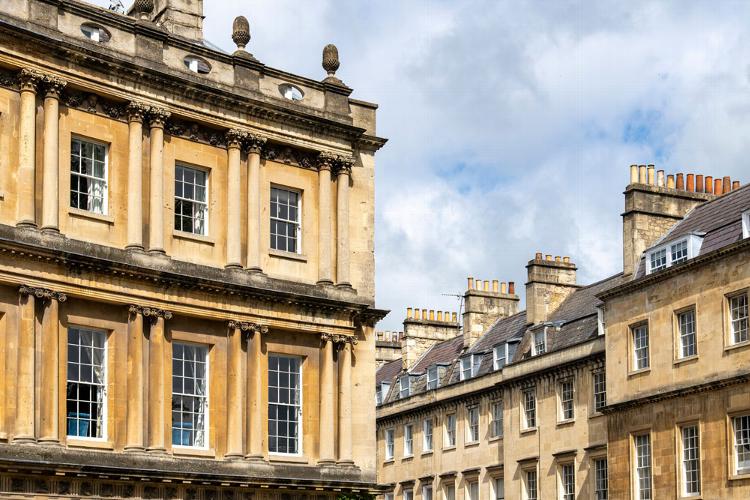
Why Heritage Buildings Need a Different Approach to Render Cleaning
Heritage buildings cannot be cleaned the same way as modern structures. Their lime renders, aged stonework, and historic masonry are softer, more porous, and far more sensitive to pressure and chemicals than contemporary materials - meaning the wrong cleaning method can cause irreversible damage in a single visit.
At Ultra Cleaning Services Ltd, we have spent over 10 years specialising in heritage building exterior cleaning across Hampshire. We have helped property owners, local authorities, and conservation bodies restore buildings damaged by unsuitable cleaning methods, and we have maintained some of Hampshire's most significant historic properties using specialist techniques that clean thoroughly without harming the substrate. This guide explains what those techniques are, why they matter, and what the risks of getting it wrong look like.
What Is Heritage Building Exterior Cleaning?
Heritage building exterior cleaning is the specialist removal of biological growth, soiling, pollution, and surface contamination from historic building facades using low-impact methods that do not damage the underlying substrate.
It differs from standard commercial cleaning in the equipment used, the pressure applied, the chemicals selected, and the level of assessment required before any work begins. The goal is not just to make the building look clean - it is to remove contamination without compromising the materials that give the building its structural integrity and historic character.
What Does Heritage Building Exterior Cleaning Cover?
Heritage building exterior cleaning encompasses a wide range of surfaces, contamination types, and building ages. Common applications include:
- Removal of moss, lichen, algae, and biological growth from lime render and stonework
- Cleaning atmospheric soiling and pollution deposits from historic masonry
- Removing graffiti and paint from brick, stone, and render
- Clearing black crust deposits from sandstone, limestone, and terracotta
- Post-fire soot and residue removal from historic facades
- Cleaning staining from roofline runoff, iron fixings, and organic matter
How Does Heritage Cleaning Differ from Standard Building Cleaning?
Standard commercial cleaning relies on high pressure to shift contamination quickly. On modern materials - concrete, powder-coated cladding, engineering brick - this is effective. On heritage surfaces, the same approach erodes the substrate, opens cracks, strips protective surface layers, and drives moisture into the structure.
Heritage building exterior cleaning uses low or near-zero pressure, with heat or specialist biocides doing the work instead. This requires different equipment, greater expertise, and a proper assessment of the building before work begins.
Why Heritage Building Cleaning Requires a Specialist Contractor
Not every cleaning contractor understands the difference between heritage and modern substrates. The wrong contractor, using the wrong method on a lime-rendered or stone-faced heritage building, can cause damage that is expensive, technically difficult, and in some cases impossible to fully reverse. A specialist heritage cleaning contractor will assess the substrate, identify the contamination type, select the appropriate method, and carry out the work with the care these buildings require.
Why Heritage Buildings Need Specialist Cleaning
Heritage buildings need specialist cleaning because their materials - lime render, historic stonework, aged brick, and traditional mortars - behave fundamentally differently to modern construction materials and are easily damaged by the pressure, chemicals, and methods used in standard cleaning.
Why Historic Render Is Vulnerable to Damage During Cleaning
Most pre-20th century buildings were finished with lime-based render. Unlike modern Portland cement render, lime render is soft, breathable, and flexible - properties that are essential to the building's performance but that make it highly vulnerable to abrasive cleaning and unsuitable chemicals.
Why Lime Render Behaves Differently to Modern Cement Render
- Lime render is significantly softer than cement render and erodes under pressure washing
- It is highly breathable, releasing moisture through the surface - aggressive cleaning can disrupt this and cause damp problems
- It is chemically sensitive: strong acids and alkalis used in standard cleaning products can cause surface dissolution and staining
- Once damaged, lime render must be repaired with a matching lime mix - standard cement patching is incompatible and causes further problems
How Biological Growth Damages Heritage Building Exteriors
Moss, lichen, algae, and mould are the most common contaminants on heritage building exteriors, and each behaves differently within the surface. Lichen, for example, physically bonds to stonework and produces organic acids that slowly etch the substrate over time. Moss holds moisture against the surface, accelerating freeze-thaw deterioration in winter. These are not cosmetic problems - they cause structural deterioration if left untreated or treated incorrectly.
Listed Buildings and Conservation Area Obligations
Many heritage buildings in Hampshire carry listed building status or fall within a designated conservation area, which adds a legal dimension to cleaning decisions.
- Any cleaning method that risks permanent alteration to the character or fabric of a listed building may require consent from the local planning authority
- Unauthorised work that damages a listed structure can result in enforcement action
- Conservation officers can advise on approved methods and whether consent is required before work begins
- A specialist contractor experienced in listed building work will understand these obligations and can help you navigate them correctly
Heritage Render vs Modern Render: Key Differences
|
Property |
Lime-Based Heritage Render |
Modern Cement Render |
|
Composition |
Lime putty or hydraulic lime |
Portland cement |
|
Flexibility |
High - Accommodates movement |
Low - prone to cracking |
|
Breathability |
Highly breathable - releases moisture |
Low breathability - traps moisture |
|
Hardness |
Soft - easily damaged by pressure |
Hard - tolerates higher pressure |
|
Chemical sensitivity |
Very sensitive to acids & alkalis |
More tolerant of cleaning agents |
|
Repair approach |
Must match original lime mix |
Standard cement patching possible |
The Danger of High-Pressure Washing on Heritage Buildings
High-pressure washing causes physical and structural damage to heritage buildings that is often invisible immediately after the clean but compounds significantly over the following months and years.
It is one of the most common mistakes made by general cleaning contractors working on historic properties. The result looks effective on the day - the surface appears clean, the contamination is gone. What is not visible is the damage to the substrate beneath, the moisture that has been driven into the masonry, and the accelerated biological regrowth that follows.
How High-Pressure Washing Physically Damages Historic Substrates
A standard high-pressure lance delivers far more force than heritage render and stonework can safely withstand. The effects are cumulative and often structural.
What High-Pressure Washing Does to Heritage Render and Stonework
- Erodes soft lime render, removing the surface layer and exposing the substrate below
- Opens hairline cracks in masonry, allowing moisture to penetrate more deeply
- Strips the weathered skin or patina from aged stonework - a protective layer that cannot be replaced once removed
- Forces water into the masonry at pressure, accelerating freeze-thaw damage in winter
- Dislodges or damages lime mortar joints, weakening the structural bond between masonry units
Signs of High-Pressure Washing Damage on Heritage Buildings
If a heritage building has previously been cleaned with high-pressure equipment, watch for these indicators in the months that follow:
- Surface pitting or roughening of the render face, visible as a pockmarked texture
- Loss of fine tooling detail on carved stonework, cornicing, or decorative elements
- New dampness or moisture penetration to internal walls
- Biological growth returning faster and more heavily than before the clean
- Cracking or delamination of render sections
- New or widening cracks at mortar joints
Why Unsuitable Cleaning Chemicals Damage Historic Masonry and Render
Beyond pressure, unsuitable cleaning chemicals present an equally serious risk on heritage surfaces. Strong alkaline or acidic solutions designed for modern concrete and commercial cladding react badly with lime render and historic stonework.
- Acidic cleaners can dissolve the surface of limestone, sandstone, and lime render, causing irreversible material loss
- Alkaline cleaners can cause salt crystallisation within the masonry, leading to spalling and surface breakdown over time
- Staining from chemical reactions on historic stone is often permanent and difficult to treat
- Inappropriate chemicals can alter the colour and texture of stonework, permanently changing the character of the building
Why High-Pressure Washing Damage on Heritage Buildings Often Goes Unnoticed
This is the pattern we encounter most often at Ultra Cleaning Services Ltd: a property owner commissions a standard contractor, the building looks clean immediately after the work, and then calls us six to twelve months later when the building looks worse than before and new problems have appeared.
High-pressure washing produces a visually satisfying short-term result. The structural cost accumulates quietly, and by the time it is apparent - through increased dampness, accelerated deterioration, or heavy biological regrowth - the damage has been done. In Hampshire's damp winters, this cycle is particularly destructive for buildings with lime render or lime-pointed masonry.
The Safest Cleaning Methods for Heritage Buildings
The safest cleaning methods for heritage buildings are those that use the minimum pressure necessary and rely instead on heat, specialist biocides, or carefully controlled chemical application to remove contamination without eroding or damaging the substrate.
At Ultra Cleaning Services Ltd, we use three principal methods: DOFF superheated steam cleaning, Thermatech thermal cleaning, and soft washing. Each is chosen based on the surface material, the type and extent of contamination, and the condition of the building.
DOFF Steam Cleaning
DOFF is the most widely used specialist method in heritage conservation. It delivers superheated steam at temperatures of up to 150 degrees Celsius at very low pressure - typically no more than 30 bar - allowing it to clean effectively without applying the physical force that damages heritage substrates.
How DOFF Works
- Superheated steam penetrates biological growth and kills organisms at the root, rather than simply removing surface growth
- Heat loosens ingrained soiling and atmospheric deposits without the need for aggressive chemical application
- Low delivery pressure means no physical erosion of the substrate
- Leaves the surface clean without stripping the protective patina or surface layer
What DOFF Is Suitable For
- Limestone, sandstone, granite, and other natural stone
- Brick and terracotta
- Lime render and lime-pointed masonry
- Decorative carved stonework and architectural detail
- Moss, lichen, algae, biological growth, atmospheric soiling, black crust, and paint residues
Thermatech Thermal Cleaning
Thermatech builds on the principles of DOFF and offers greater adjustability, making it particularly well suited to deeply soiled or fragile surfaces where precise control over temperature and pressure is critical. Like DOFF, it delivers superheated water at low pressure, but with a wider range of settings to match the specific demands of each surface.
Ultra Cleaning Services Ltd operatives are trained and experienced in both DOFF and Thermatech. We assess each project individually and select whichever method - or combination of methods - is best suited to the building in front of us.
Soft Washing
Soft washing uses near-zero water pressure combined with professionally diluted biocidal solutions to treat biological contamination. Rather than physically removing growth under pressure, the biocide kills organisms at the root and allows them to break down naturally over a period of weeks.
When Soft Washing Is Used
- As the primary method for buildings with significant biological growth - moss, algae, lichen, mould - where thermal methods alone are insufficient
- As part of a maintenance programme between full cleans, to manage biological regrowth and extend the life of the previous clean
- On very delicate or fragile surfaces where even low-pressure thermal methods require additional caution
- In combination with DOFF or Thermatech on larger projects where different areas of the building have different contamination profiles
Comparing Heritage Cleaning Methods
|
Method |
Best Used For |
Pressure |
Chemical |
Heritage Safe |
|
DOFF Steam Cleaning |
Stone, brick, terracotta, lime render |
Very low (up to 30 bar) |
Optional |
Yes |
|
Thermatech |
Delicate or deeply soiled surfaces |
Very low, fully adjustable |
Optional |
Yes |
|
Soft Washing |
Biological growth, algae, moss, mould |
Near zero |
Specialist biocide |
Yes |
|
High-Pressure Washing |
Modern concrete, hard surfaces only |
High |
Sometimes |
No |
Why Low Pressure Is Non-Negotiable
Across every method we use, one principle remains constant: deliver the minimum pressure required to achieve the result. This is not a compromise on effectiveness. Heat and specialist biocides are significantly more effective at removing biological growth and ingrained soiling than raw water pressure - they work at the biological and chemical level rather than simply blasting the surface.
Low pressure protects the substrate, preserves the patina and surface detail that give heritage buildings their character, and ensures that the clean we deliver today does not create problems for the building tomorrow.
The Benefits of Regular Heritage Building Cleaning
Regular specialist cleaning protects the structure, preserves the appearance, maintains compliance for listed and conservation area properties, and reduces the long-term cost of maintaining the building.
How Regular Cleaning Protects the Fabric of a Heritage Building
Biological growth retains moisture against masonry and render. As this moisture cycles through freeze-thaw events in winter, it causes progressive physical damage - expanding within hairline cracks, widening joints, and breaking down the surface of the substrate over time. Lichens produce organic acids that slowly etch stonework and render, accelerating material loss year on year.
Regular heritage building exterior cleaning removes these organisms before they can cause structural deterioration, extending the life of the exterior fabric and reducing the frequency and cost of repair work.
How Heritage Building Exterior Cleaning Improves Appearance and Kerb Appeal
A clean heritage building makes a powerful impression. Whether the property is a private residence, a commercial premises, a place of worship, or a public building, its exterior is a direct reflection on the people and organisations associated with it. Black staining, green biological growth, and dirty render all undermine the asset - and in the case of commercial or public buildings, can affect visitor perception and footfall.
Regular heritage building exterior cleaning keeps the building presenting at its best and ensures the investment made in the property is reflected in its appearance.
Compliance for Listed Buildings and Conservation Areas
Owners of listed buildings and properties in conservation areas carry specific responsibilities for maintaining the exterior to a standard that preserves the character and fabric of the building. Regular specialist cleaning is part of meeting that responsibility, and a documented maintenance history - including dated cleaning records - can be valuable when dealing with local authority inspections, insurance claims, or property transactions.
How Regular Heritage Cleaning Reduces Long-Term Maintenance Costs
Cleaning prevented is always cheaper than damage repaired. Biological growth that is addressed early, before it has penetrated deeply into the substrate, is far less expensive to remove than established colonisation. The structural damage caused by unchecked biological growth - moisture ingress, frost damage, acid erosion - results in repair and reinstatement costs that far exceed the cost of the cleaning programme that would have prevented them.
How Often Should a Heritage Building Be Cleaned?
Cleaning frequency depends on the building's location, aspect, surrounding environment, and the materials used. As a general guide:
- Full specialist clean using DOFF, Thermatech, or a combination: every three to five years for most heritage exteriors
- Soft wash biocidal maintenance treatment: every one to two years to manage biological regrowth between full cleans
- Reactive cleaning - graffiti removal, post-fire clean-up, storm damage: as soon as possible after the event to prevent secondary damage
- Listed buildings and conservation area properties: check with your local authority conservation officer for any specific maintenance requirements
Heritage Building Types We Clean Across Hampshire
Hampshire has one of the most varied concentrations of historic building stock in England, ranging from medieval flint churches to Georgian civic buildings, Victorian terraces, Edwardian villas, and rural estate properties. Ultra Cleaning Services Ltd has direct experience across all of these building types and understands the material and practical differences each one brings.
Churches, Chapels, and Religious Buildings
Religious buildings are among the most technically demanding heritage cleaning projects. They typically combine multiple stone types, decorative carved stonework, aged lime render, leadwork, and ironwork - each requiring a different approach. Many are Grade I or Grade II* listed and sit within conservation areas, meaning the obligations on the cleaning contractor are especially significant.
Key Considerations for Religious Buildings
- Multiple substrate types often present on a single building - each assessed and treated individually
- Carved decorative stonework requires particular care to preserve tooling and surface detail
- Biological growth on north-facing elevations is typically heavier and more established
- Access to high-level stonework and roof detailing requires appropriate equipment and safe working method
Georgian and Victorian Residential Properties
The Georgian and Victorian terraces and villas found across Winchester, Southampton, Portsmouth, Petersfield, Alresford, and Hampshire's market towns are typically built in brick with lime-pointed joints, finished with stucco or lime render on the principal facade. These properties frequently suffer from atmospheric soiling, biological growth, and the legacy of poorly executed previous cleaning using incompatible methods or materials.
Ultra Cleaning Services Ltd is experienced in restoring these facades to their original character, removing soiling and contamination while preserving the lime work and render that makes these buildings both structurally sound and historically authentic.
Public and Civic Buildings
Town halls, libraries, courts, former public institutions, and civic buildings across Hampshire are often constructed in Portland stone, Bath stone, or locally quarried limestone, with extensive decorative stonework and architectural detail. These are highly visible community assets and their condition reflects on the organisations responsible for them.
We work with local authorities, estate managers, and facilities management companies to deliver heritage building exterior cleaning programmes that meet conservation requirements, satisfy public expectation, and are documented appropriately for maintenance records.
Rural Estates and Country Houses
Hampshire's rural estates and country houses present some of the most varied heritage cleaning challenges. A single property may combine brick, stone, flint, render, and tile across a main house, outbuildings, walled gardens, stabling, and gate lodges - each with different contamination profiles and material sensitivities. These projects require both the specialist expertise to handle varied historic materials and the organisational capacity to deliver across a large and complex site.
Stonework at Heritage Sites
Ultra Cleaning Services Ltd specialises in historical stonework cleaning, including at designated heritage sites where the preservation requirements are the most stringent of all. Our DOFF and Thermatech systems are the methods of choice for English Heritage-approved conservation work, and our operatives are experienced in working within the access, method, and reporting requirements that heritage site work demands.
How Ultra Cleaning Services Ltd Approaches Heritage Building Exterior Cleaning
Every heritage cleaning project we take on begins with a proper assessment of the building - not a quote sent from photographs. We inspect the substrate, identify the contamination type, note any areas of existing damage or vulnerability, and design a cleaning programme that is specific to that building.
How We Carry Out Heritage Building Exterior Cleaning: Our Process
We follow a structured process on every heritage cleaning project to ensure the right result is achieved without risk to the building:
1. Site assessment - we inspect the building in person, identify the substrate materials, assess the contamination, and note any existing damage or vulnerability.
2. Method selection - we select the most appropriate cleaning method or combination of methods based on the assessment, and specify any specialist solutions required.
3. Test patch - where appropriate, we carry out a test clean on a discreet section of the building to confirm the method and settings before committing to the full clean.
4. Full clean - we carry out the programme systematically, monitoring results and adjusting settings as required.
5. Post-clean inspection - we inspect the completed work with the client and confirm it meets the agreed standard.
6. Maintenance recommendations - where useful, we provide guidance on cleaning frequency and any maintenance observations from the clean.
Why Specialist Knowledge of Historical Stonework Makes the Difference
General cleaning contractors clean surfaces. We understand the materials beneath them. Our specialism in historical stonework means we know how different stone types, render mixes, and masonry systems respond to different cleaning approaches, and we apply that knowledge on every project. That is the difference between a clean that preserves a building and one that gradually degrades it.
Over 10 years of specialist heritage building exterior cleaning in Hampshire, we have built a reputation for thorough work, honest assessment, and results that hold up over time. We work with private clients, local authorities, estate managers, and conservation bodies - and we treat every building with the same care, regardless of scale.
Frequently Asked Questions About Heritage Building Exterior Cleaning
Can you pressure wash a heritage building?
No. Standard high-pressure washing is not suitable for heritage buildings. The pressure is sufficient to erode lime render, strip the protective surface layer from stonework, open cracks in masonry, and drive moisture into the structure. Heritage building exterior cleaning should always use specialist low-pressure methods - DOFF steam cleaning, Thermatech, or soft washing - that remove contamination without damaging the substrate.
What is the best method for cleaning a listed building?
For most listed buildings, DOFF superheated steam cleaning is the preferred method - it cleans effectively at high temperature and very low pressure without risking damage to lime render or historic stonework. Where significant biological growth is present, soft washing may be used alongside DOFF. The right method depends on the substrate material, contamination type, and condition of the surface, which is why a site assessment always comes first.
Do I need consent to clean a listed building?
In some cases, yes. Routine cleaning is generally permitted, but any method that could alter the character or fabric of a listed building may require listed building consent from the local planning authority. It is always advisable to consult your local authority's conservation officer before commissioning heritage building exterior cleaning on a listed property. A specialist contractor will be familiar with this process and can advise you accordingly.
How long does heritage building exterior cleaning take?
Duration depends on the size of the building, the extent and type of contamination, and the method used. A standard heritage residential property typically takes one to two days. A larger public or civic building may take several days. We provide a clear programme of works with every quote, so you know exactly what to expect in terms of timescales, access, and disruption.
How much does heritage building exterior cleaning cost?
Cost varies with building size, contamination levels, access requirements, and the methods involved. We provide free, no-obligation site assessments and detailed transparent quotes for all heritage cleaning projects across Hampshire enquire with our team today!
How often should a heritage building be cleaned?
Most heritage exteriors benefit from a full specialist clean every three to five years, with a soft wash biocidal maintenance treatment every one to two years in between. The right frequency for your building depends on its location, aspect, surrounding environment, and the rate of biological activity. We can advise on a maintenance schedule after assessing the building.
Is DOFF steam cleaning safe for all heritage surfaces?
DOFF is suitable for a wide range of heritage surfaces including limestone, sandstone, granite, brick, terracotta, and lime render. It is not suitable for all surfaces in all conditions - very fragile or deteriorated masonry may require a gentler approach. Our operatives assess every surface before applying any method and will recommend the right solution for your specific building.
What is the difference between DOFF and Thermatech?
Both systems deliver superheated water at low pressure and are approved methods for heritage building exterior cleaning. DOFF operates at up to 150 degrees Celsius and is suitable for the majority of heritage cleaning applications. Thermatech offers greater adjustability in temperature and flow rate, making it particularly well suited to deeply soiled surfaces or where very precise control is required. In practice, the two systems are complementary, and we use both depending on the demands of each project.
Heritage Building Exterior Cleaning in Hampshire: Get a Free Site Assessment
If you are responsible for a heritage building in Hampshire and are considering a cleaning programme, speak with a specialist before proceeding. The difference between the right approach and the wrong one is the difference between a building that is preserved for the long term and one that suffers avoidable damage.
Ultra Cleaning Services Ltd provides free site assessments for heritage building exterior cleaning projects across Hampshire. We will inspect your building, advise on the most appropriate methods, and provide a detailed, transparent quote with no obligation.
Heritage Building Cleaning Enquire Now