
Is It Safe to Clean Render Yourself? (UK Homeowner Guide)
DIY render cleaning can be safe if you use the proper methods, but there is a significant risk of damaging your render with the wrong approach, especially if you rely on pressure washing or harsh chemicals not intended for these surfaces.
In the UK, our damp, variable climate means algae and staining are almost inevitable, tempting many homeowners to attempt cleaning themselves. However, while it's understandable to want your property looking fresh, DIY render cleaning often leads to patchiness, damage, or recurring issues unless you are informed and cautious.
At Ultra Cleaning Services, we specialise in gentle, effective render cleaning for homes and businesses across Hampshire and the wider UK. Our knowledge and professional equipment ensure your render is cared for properly, preserving its appearance and integrity for years to come. Here, we'll guide you through the key risks and precautions in DIY render cleaning, when to call in the professionals, and how to keep your walls looking their best.
Why Safety Matters in Render Cleaning
Cleaning render might look straightforward, but there's a lot more going on beneath the surface. Render, whether you have K-Rend, silicone, or monocouche, is designed to be porous and breathable. Handling it incorrectly doesn't just risk the appearance but can trigger long-lasting structural issues. Let's break down why safety truly matters when it comes to render cleaning.
The Nature of Render: Fragility and Breathability
Render is naturally porous and is made to let your building ‘breathe'. Aggressive cleaning can strip away these properties or force water inside, leading to long-term damp and mould, especially in the UK's moisture-rich climate.
UK Weather and Organic Growth
Our weather is the perfect breeding ground for algae, moss, and mould, especially on north-facing or shaded walls. Algae creates green staining, black mould leads to stubborn spots, and pollution builds up on surfaces exposed to passing traffic.
Surface Vulnerability: Risks of Incorrect Methods
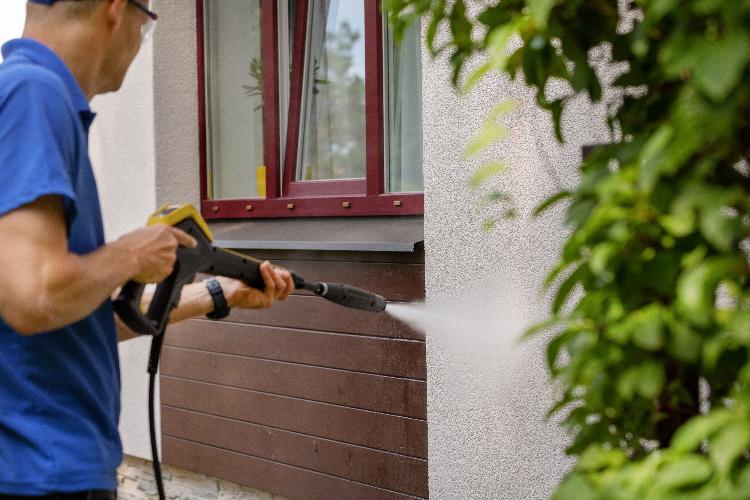
Pressure washers and the wrong chemicals can strip protective finishes or cause permanent patchiness. Water forced into the substrate can begin a cycle of internal damp, impacting both looks and structure. Bleach-heavy and acid-based cleaners can cause render to burn or discolour.
Health and Safety Considerations
It's not just your walls at risk. Ladder use on slippery surfaces, exposure to strong chemicals and incorrect application techniques all add real hazards to DIY render cleaning. Homeowners often underestimate just how risky it can be.
Short-Term Fixes, Long-Term Issues
A rushed DIY job can result in organic growth and stains returning within 6–12 months. Without targeting the root causes using specialist biocides or softwashing, you may find yourself cleaning again before long.
With so much at stake, professional expertise from Ultra Cleaning Services helps ensure your render is cleaned safely, thoroughly, and in a way that lasts.
How Often Should Render Be Cleaned in the UK?
Keeping render clean isn't just about making your property look good; it helps to maintain its longevity. The climate here in the UK means the schedule for cleaning will vary depending on several factors, but there are clear guidelines you can follow.
Typical Cleaning Frequency
For most homes and businesses, render should be professionally cleaned every 2 to 5 years. This helps to remove organic build-up, pollution, and atmospheric grime, keeping your walls looking their best.
Factors Influencing Cleaning Needs
- North-Facing Surfaces: These areas usually have more algae and moss due to reduced sunlight and higher levels of moisture.
- Level of Shade: Render shaded by trees or neighbouring buildings will invite faster organic growth.
- Proximity to Coast or High-Moisture Locations: Damp air in areas like Hampshire and along the coast accelerates algae and black mould development.
Early Signs Your Render Needs Cleaning
Look for patches of green staining (particularly low down or on shaded sides), black speckling, or changes in colour across the surface. Patchiness and streaking should prompt an inspection too.
Preventative Maintenance
Applying a biocide treatment after cleaning will drastically slow regrowth, extending the cleanliness for 3–4 years and helping your render last longer between cleans.
Avoiding Over-Cleaning
Too-frequent DIY cleaning, especially with aggressive methods, can cause as much harm as neglect. Ultra Cleaning Services recommends sticking to a sensible time frame and using proper products and techniques, or seeking professional help, to avoid unnecessary damage.
Risks of DIY Render Cleaning
Attempting DIY render cleaning can seem like a good way to save money, but the risks to both your property and yourself are real. Here's what you should know before reaching for the jet washer or the strongest cleaner you can find.
Common Mistakes Made by DIYers
- Pressure Washing: Possibly the most damaging DIY mistake, as it forces water into the render, strips protective coatings, and commonly leaves visible track marks.
- Harsh Chemical Use: Bleach-heavy or acid-based cleaners can discolour or burn your render, often resulting in permanent staining or surface etching.
- Uneven Application: Inexperience frequently leads to patchiness, streaks, or missed areas,making things look worse than when you started.
Structural and Visual Consequences
Water that gets pushed into the render can penetrate the building fabric, causing internal damp, mould growth, and even long-term structural problems. Visually, incorrect cleaning can cause streaking, marks, and colour changes that are extremely difficult or costly to fix.
Health and Safety Hazards
DIY cleaning requires ladders, handling unfamiliar chemicals, and sometimes working at height. Slippery render surfaces become even more unsafe when wet or after failed cleaning attempts.
The Financial Implications
While a DIY approach can feel like a cost-saving measure, the reality is that botched jobs are a common reason for professional call-outs. Fixing damage, correcting patches, or cleaning again after failed attempts nearly always costs more than hiring experts from the start.
Professional Insight: We're Often Fixing DIY Failures
A significant portion of Ultra Cleaning Services' render cleaning work involves correcting errors made during previous DIY attempts. With professional cleaning, you avoid costly mistakes and restore your render to its best possible condition.
Why You Should Hire a Professional to Clean Render
With so many risks and variables, hiring an expert like Ultra Cleaning Services for render cleaning brings both peace of mind and better results. Here's what professional cleaning provides that a DIY approach simply can't match.
Correct Identification and Care for Render Types
There are many render types, K-Rend, silicone, monocouche, to name a few, each with their own sensitivities. We identify your render and choose the cleaning method that preserves its finish and structure.
Specialist Softwash Systems and Products
We use professional-grade biocides and softwashing techniques to remove algae, mould, and stains at their root, without harming the render. Unlike high-pressure washing, these methods clean gently but thoroughly, ensuring no etching or water ingress.
Professional Equipment: Low-Pressure, High Results
Our Thermatech and DOFF steam cleaning systems use low pressure and high temperatures, guaranteeing a deep clean while protecting the render. These systems aren't available to general consumers and require experience to operate safely and effectively.
Lasting Results
Professional treatments maintain render cleanliness for longer, biocide applications can keep organic growth at bay for 3–4 years, compared with only a few months for basic DIY methods.
Fully Trained, Insured Technicians
Our technicians are highly trained and use safety equipment for working at height, handling chemicals, and avoiding hazards. We are fully insured for all our activities, giving clients reassurance and protection.
Cost Effectiveness and Value
When you factor in the risk of damage and the cost of repairs, professional render cleaning is far more cost-effective than you might think. Plus, you benefit from results that look better and last significantly longer.
If you'd like even more detail on cleaning methods and safe exterior cleaning systems, have a look at our Cleaning Systems page.
Conclusion: Is It Safe to Clean Render Yourself?
So, is it safe to clean render yourself? While it's possible for the experienced and cautious homeowner to clean render safely, the truth is that many DIY attempts lead to far more harm than good. Most permanent render damage is caused by pressure washing, harsh chemicals, and uneven application, all risks that can be completely avoided by calling in the professionals.
The UK's climate means algae and staining are inevitable, but treating the problem without the right knowledge, equipment, and products can cost you more in the long run. At Ultra Cleaning Services, our expertise, specialist tools, and careful approach ensure render gets thoroughly cleaned, looks great, and lasts. For most property owners, professional cleaning isn't just safer, but also the best investment for your home or premises.
Talk to Ultra Cleaning Services for Reliable Render Cleaning
Looking for safe, long-lasting render cleaning? Skip the risks of DIY mistakes and let Ultra Cleaning Services take care of it. For reliable results across Hampshire and the UK, contact us today to request your free quote!