
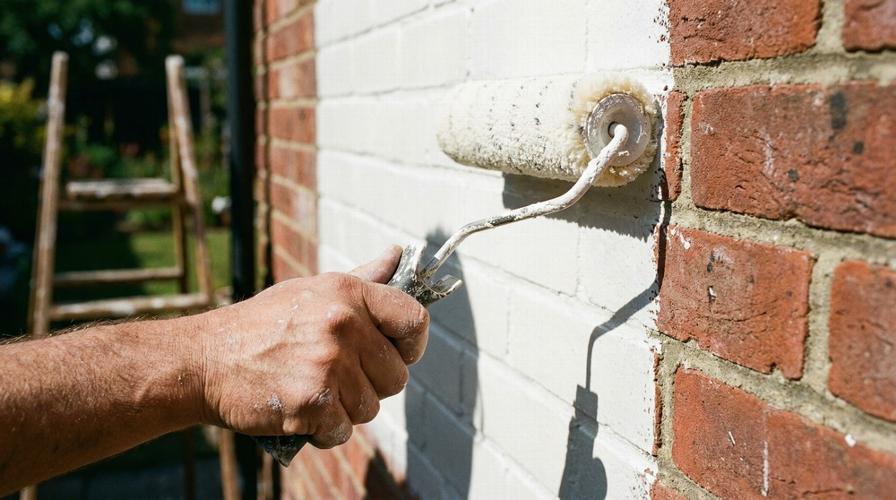
Is Masonry Paint Bad for Brick and Stone?
Masonry paint can be harmful to brick and stone if it prevents the materials from breathing, traps moisture, or accelerates long-term deterioration. While masonry paint can improve appearance and provide short-term protection, it must be used carefully because traditional brick and natural stone are designed to release moisture naturally.
Exterior brickwork and stonework behave very differently from modern rendered surfaces. These materials are porous and rely on evaporation to regulate moisture levels within the wall structure. When a non-breathable paint coating is applied, that natural process can be disrupted.
For property owners, this creates an important decision. Painting masonry can transform the appearance of a property and protect surfaces from weathering, but it may also introduce hidden structural issues over time. Understanding the pros, risks, and correct application methods is essential before painting brick or stone.
This guide explains the key considerations, risks, benefits, and alternatives when deciding whether masonry paint is suitable for brick and stone surfaces.
Key Considerations Before Painting Brick or Stone
Before applying masonry paint, it is important to understand how brick and stone behave as building materials and how paint coatings can affect their long-term performance.
Porosity of Brick and Natural Stone
Brick and stone contain microscopic pores that allow water vapour to move through the wall.
This natural permeability allows buildings to regulate moisture and prevents water from becoming trapped within the masonry.
When masonry paint forms a sealed barrier over the surface, this moisture movement can become restricted.
Age and Construction of the Building
Older buildings were typically constructed using lime mortar and breathable materials.
These structures depend heavily on evaporation to manage internal moisture. Applying modern masonry paint to historic brickwork can trap water inside walls and lead to internal damp.
Newer properties built with cavity walls may be less sensitive, but breathability still remains important.
Previous Paint or Surface Treatments
If brickwork has already been painted, the condition of the existing coating becomes a key factor.
Flaking paint, blistering, or bubbling can indicate that moisture is already trapped beneath the surface. Applying additional layers without resolving the underlying cause can worsen the problem.
If your masonry is already painted, the real question is whether to remove it or recoat - we cover exactly that in paint removal vs repainting your exterior.
Environmental Exposure
Properties exposed to heavy rainfall, coastal air, or high humidity experience greater moisture loads.
In these environments, breathable coatings become especially important to prevent water accumulation within the wall.
Why Painting Brick Can Cause Long Term Damage
Painting brick may look attractive initially, but the long-term consequences can affect the structural health of the masonry.
Moisture Trapping Within the Brick
When water enters brickwork through rain, condensation, or rising damp, it normally evaporates back out through the surface.
Paint can restrict this evaporation process. Trapped moisture increases internal pressure within the brick, which can lead to deterioration over time.
Freeze Thaw Damage in Painted Brick
In colder conditions, trapped moisture can freeze within the brick pores.
Water expands when it freezes. This expansion causes stress inside the brick structure and may lead to cracking or surface spalling. Repeated freeze thaw cycles can accelerate structural degradation.
Salt Efflorescence Beneath Painted Surfaces
Brick and mortar naturally contain soluble salts.
When moisture travels through masonry, these salts are carried to the surface. If paint prevents evaporation, salts can crystallise beneath the coating instead. This process causes bubbling, flaking, and eventual paint failure.
Deterioration of the Brick Face
Brick surfaces often develop a protective outer layer known as the fired face.
If paint traps moisture behind this layer, the outer surface can weaken and break away. Once this protective layer is lost, bricks become far more vulnerable to weather damage.
How Masonry Paint Affects Brick Breathability
Brick and stone walls rely on breathability to maintain structural health and internal comfort.
What Breathable Masonry Means
Breathability refers to the ability of building materials to allow moisture vapour to pass through them. This movement prevents moisture build-up and helps regulate humidity inside buildings. Traditional brick construction was designed with this principle in mind.
What Happens When Masonry Paint Blocks Vapour
If a masonry paint coating forms a vapour barrier, moisture becomes trapped within the wall structure.
This trapped moisture can lead to several problems including:
- Damp patches on internal walls
- Reduced insulation performance
- Increased risk of mould growth
- Gradual deterioration of bricks and mortar
Over time, these issues can become expensive to repair.
Breathable Paint Options
Not all masonry paints behave the same way.
Some modern coatings are designed to be microporous. These paints allow water vapour to escape while still protecting the surface from rain penetration. However, even breathable paints must be applied correctly and only on suitable surfaces.
What Are the Pros of Masonry Paint on Brick or Stone?
Although there are risks, masonry paint can offer several advantages when used appropriately.
Improved Weather Protection
High quality masonry paint can help protect walls from wind driven rain.
This protection may reduce water penetration in exposed locations and extend the lifespan of external surfaces.
Enhanced Property Appearance
Painting brick can dramatically transform the appearance of a building.
Many homeowners choose painted brick to achieve a modern aesthetic or to refresh older properties with faded or inconsistent brick colour.
UV and Surface Protection
Paint coatings can shield masonry surfaces from ultraviolet radiation and environmental pollutants.
This protection may slow surface weathering in areas with strong sunlight or urban pollution.
Temporary Surface Sealing
In some cases, masonry paint can help seal minor surface cracks or hairline defects that allow water ingress.
However, this should not replace proper structural repair where damage exists.
What Are the Disadvantages of Painting Brick or Stone?
While masonry paint offers visual benefits, there are several long-term disadvantages to consider.
Difficult to Reverse
Once brick has been painted, removing the coating can be extremely difficult. Paint penetrates into the pores of the masonry, making full removal challenging without specialist cleaning techniques.
Ongoing Maintenance Requirements
Painted brick requires periodic repainting to maintain its appearance and protective properties. Over time, multiple layers of paint can accumulate, increasing the risk of peeling or cracking.
Potential Damage to Historic Buildings
Painting historic brickwork can reduce the building's heritage value and cause irreversible material damage. Conservation specialists typically advise against painting traditional masonry unless absolutely necessary.
Hidden Structural Issues
Paint may temporarily hide cracks or surface deterioration. This can delay the identification of underlying problems such as water ingress or mortar failure.
Early Warning Signs That Masonry Paint Is Damaging Brickwork
Property owners should monitor painted brickwork for early indicators of moisture related damage.
Blistering or Bubbling Paint
Raised areas or bubbles in paint often indicate moisture trapped beneath the surface. This pressure pushes the paint layer away from the masonry.
Peeling or Flaking Coatings
Peeling paint typically occurs when adhesion fails due to moisture movement or surface contamination. Once paint begins to peel, further deterioration usually follows quickly.
White Salt Deposits
Powdery white deposits on brick surfaces are known as efflorescence. These deposits suggest moisture is moving through the masonry and carrying salts to the surface.
Damp Interior Walls
If interior walls develop damp patches after exterior painting, trapped moisture within the masonry may be the cause. This is particularly common in older properties with solid brick walls.
When Is Masonry Paint Safe to Use on Brick or Stone?
Although there are risks, there are situations where masonry paint may be appropriate.
Previously Painted Brick Surfaces
If brickwork has already been painted in the past, repainting may be the most practical option to maintain appearance and protection. In these cases, proper surface preparation is essential.
What that preparation actually involves is set out in our guide to painting over old exterior paint.
Non Historic Modern Brickwork
Newer buildings with modern construction methods may tolerate breathable masonry coatings more effectively. Even so, selecting a breathable paint and ensuring proper application remains critical.
Decorative Brick Features
Small decorative brick elements that do not form structural walls may sometimes be painted without significant risk. However, moisture movement should still be considered.
Alternatives to Painting Brick or Stone
For many properties, alternative solutions can improve appearance and protection without the risks associated with paint.
Professional Brick Cleaning
Specialist cleaning methods such as DOFF steam cleaning or TORC cleaning can remove dirt, algae, and pollution without damaging the masonry. These systems use controlled heat and pressure to restore the natural appearance of brick and stone.
Repointing Damaged Mortar
Old or damaged mortar joints allow water to penetrate the wall structure. Professional repointing restores the protective seal between bricks while maintaining breathability.
Lime Wash Coatings
Lime wash is a traditional breathable coating used on historic buildings. Unlike modern paint, lime wash allows moisture to evaporate naturally through the surface.
Brick Replacement or Repair
Where bricks are damaged or stained beyond cleaning, targeted replacement can restore the original appearance of the wall. This approach maintains the natural material characteristics of the masonry.
How Professional Exterior Cleaning Can Restore Brick Without Paint
Professional exterior cleaning services can often deliver the aesthetic improvement property owners seek without the long-term risks of painting.
Removal of Algae and Organic Growth
Algae, moss, and lichen commonly grow on damp brick surfaces. Professional cleaning eliminates these growths safely while preventing damage to the masonry.
Pollution and Carbon Stain Removal
Urban environments expose buildings to pollutants that cause black staining. Specialist cleaning methods break down these deposits and restore natural brick colour.
Preservation of Masonry Breathability
Unlike paint, cleaning does not seal the brick surface. This allows the masonry to continue releasing moisture naturally, protecting the structure over time.
Long Lasting Visual Results
Properly cleaned brickwork can maintain its improved appearance for many years when combined with preventative maintenance.
Final Thoughts: Should You Paint Brick or Stone?
Painting brick or stone can deliver an immediate visual transformation, but it should never be treated as a simple cosmetic decision.
Brick and natural stone are breathable materials that rely on moisture movement to maintain structural integrity. Applying non-breathable masonry paint can trap moisture, accelerate deterioration, and lead to costly repairs over time.
For many properties, professional cleaning, repointing, or breathable coatings provide safer long-term alternatives that preserve the health of the masonry.
If you are considering painting brick or stone, it is always advisable to assess the condition of the masonry first and explore whether cleaning or restoration could achieve the desired result without the risks associated with paint.
Restore Brick and Stone Safely with Ultra Cleaning Services
If your brick or stone surfaces are stained, weathered, or covered in algae, professional exterior cleaning can restore their natural appearance without damaging the masonry.
Ultra Cleaning Services provides specialist exterior cleaning solutions including DOFF steam cleaning and advanced masonry restoration techniques designed to protect delicate brick and stone surfaces.
Our experienced team can assess the condition of your property and recommend the safest and most effective cleaning approach to bring your exterior surfaces back to life.
Contact Ultra Cleaning Services today to arrange a professional assessment and discover how expert cleaning can transform your property without the risks of masonry paint.