
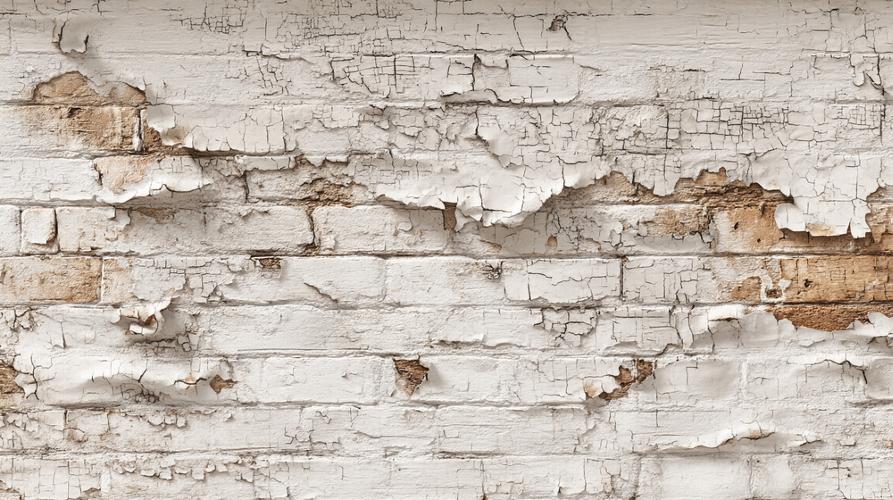
Signs Your Exterior Paint Is Failing on Brickwork
Exterior paint on brick can transform the look of a property, but when it starts to fail, it can quickly go from an asset to a liability. Knowing the signs exterior paint is failing is essential to protect your brickwork, prevent moisture issues, and avoid costly repairs down the line.
In this guide, we break down exactly what to look for, why it happens, and what to do next - with expert insight from Ultra Cleaning Services.
Signs Your Exterior Paint Is Failing
At a glance, failing exterior paint shows visible deterioration such as peeling, cracking, bubbling, or discolouration - all signs that the coating is no longer protecting the brick beneath.
Common visible signs of failing paint
- Peeling or flaking paint coming away from the surface
- Bubbling or blistering under the paint layer
- Cracks forming across painted areas
- Faded or uneven colour
- Powdery residue (chalking) when touched
- Damp patches showing through paint
These are the clearest signs exterior paint is failing, and they should never be ignored.
Why these signs matter
Paint on brick isn't just decorative. Once it starts to fail:
- Water can penetrate the surface
- Brick becomes vulnerable to frost damage
- Damp can spread internally
- Repairs become more complex and costly
Early vs advanced exterior paint failure
Early stage:
- Slight fading
- Minor hairline cracks
- Small areas of peeling
Advanced stage:
- Large sheets of paint detaching
- Deep cracking and bubbling
- Visible damp or staining
Catching these signs early can save significant time and money.
Why Exterior Paint Fails
Exterior paint fails primarily due to moisture, poor preparation, or using the wrong type of paint for breathable brick surfaces.
Moisture is the main cause
Brick is naturally porous and needs to breathe. When moisture gets trapped behind paint:
- It pushes paint away from the surface
- Causes bubbling and blistering
- Leads to peeling and flaking
Sources of moisture include:
- Rain penetration
- Rising damp
- Condensation
- Faulty gutters or drainage
Poor surface preparation
If brick wasn't properly cleaned before painting:
- Dirt and contaminants prevent adhesion
- Old coatings weaken new layers
- Paint fails prematurely
Wrong type of paint
Using non-breathable paints on brick is a common issue:
- Traps moisture inside the wall
- Accelerates deterioration
- Causes widespread failure
Environmental exposure
External conditions also play a role:
- UV rays break down paint over time
- Freeze-thaw cycles expand cracks
- Wind-driven rain increases moisture exposure
Why Is Failing Exterior Paint Bad for Brickwork?
Failing exterior paint exposes brickwork to moisture, which can cause structural damage, decay, and long-term deterioration.
Moisture penetration risks
When paint fails, it allows water to enter the brick:
- Leads to damp walls internally
- Weakens mortar joints
- Encourages mould growth
Freeze-thaw damage
In colder months:
- Water inside brick freezes
- Expands and causes cracks
- Leads to spalling (brick surface breaking away)
Trapped moisture problems
Even worse, failing paint can trap moisture:
- Prevents walls from drying out
- Accelerates decay from within
- Creates hidden structural issues
Long-term structural concerns
Ignoring the signs exterior paint is failing can result in:
- Crumbling brickwork
- Internal damp problems
- Expensive restoration work
How Long Does Exterior Paint Last on Brick?
Exterior paint on brick typically lasts between 5 and 15 years, but this varies significantly depending on how well the surface was prepared, the type of paint used, and how much exposure the wall has to weather.
Unlike rendered or timber surfaces, brick needs to breathe. If that's not considered during painting, the lifespan can be drastically reduced and early signs exterior paint is failing will appear.
Factors That Affect Lifespan
The durability of painted brickwork depends less on the paint itself and more on how the system works with the wall.
Type of paint used
Breathable paints (such as mineral or lime-based) allow moisture to escape and last longer. Non-breathable coatings often fail early due to trapped moisture.
Quality of surface preparation
Proper cleaning, removal of old coatings, and repairs are essential. Painting over dirt, damp, or failing layers leads to poor adhesion and shorter lifespan.
Exposure to weather
Walls facing heavy rain, strong winds, or direct sunlight will deteriorate faster. South-facing elevations often fade quicker due to UV exposure.
Ongoing maintenance
Regular inspections and minor repairs can significantly extend the life of the paint system.
Typical Lifespan Timelines
While every property is different, most painted brickwork falls into these general ranges:
- 3–5 years: Low-quality paint or poor application
- 5–10 years: Standard masonry paint with average preparation
- 10–15 years: High-quality breathable systems applied correctly
If paint begins to fail much earlier than expected, it usually points to moisture issues or incorrect materials.
Signs Your Exterior Paint Is Reaching the End of Its Lifespan
As paint ages, it will begin to show clear indicators that it is no longer performing effectively.
- Fading colour: UV exposure breaking down the surface
- Loss of adhesion: Paint starting to lift or detach
- Cracking and peeling: Movement and moisture affecting the coating
- Chalking: A powdery residue forming on the surface
These are all early signs exterior paint is failing, and addressing them at this stage can prevent more serious damage to the brickwork.
Is It Bad to Paint Over Exterior Brick?
Painting exterior brick can be effective for appearance and protection, but if done incorrectly it can trap moisture and lead to long-term damage - making it a common cause of the signs exterior paint is failing.
Brick is designed to breathe, so any coating applied must work with the material, not against it. Problems usually arise when the wrong products or preparation methods are used.
When Painting Brick Can Cause Issues
Painting becomes problematic when it interferes with the brick's ability to manage moisture or when the surface hasn't been prepared properly.
- Using non-breathable coatings: These seal the surface and trap moisture in the wall, leading to blistering and peeling
- Painting damp or contaminated surfaces: Dirt, algae, or moisture prevent proper adhesion, causing early failure
- Layering paint without removal: Multiple coats build up over time, increasing the risk of cracking, flaking, and uneven performance
In these cases, paint doesn't just fail - it can actively contribute to the deterioration of the brick beneath.
Why Brick Needs to Breathe
Brickwork naturally absorbs and releases moisture, and restricting this process is one of the main reasons exterior paint fails.
When paint blocks this breathability:
- Moisture becomes trapped inside the wall instead of evaporating
- Pressure builds behind paint layers, causing bubbling and blistering
- Paint loses adhesion, leading to peeling and cracking
- Long-term damage develops, including damp and surface breakdown
This is why many painted brick properties begin to show recurring issues over time if the wrong system is used.
When Painting Exterior Brick May Be Acceptable
Painting can work well if the correct breathable system is used and the brickwork is properly prepared.
- Use breathable paints: Mineral or lime-based paints allow moisture vapour to escape
- Prepare the surface thoroughly: Clean the brick, remove failing coatings, and repair any defects
- Ensure the wall is dry and stable: Painting over damp brick almost always leads to failure
- Address underlying issues first: Fix drainage, cracks, or damp sources before applying paint
When done correctly, painting can enhance and protect brickwork without compromising its performance.
Does Peeling Exterior Paint Mean Damp Walls?
Peeling exterior paint is often linked to moisture, but it doesn't always mean you have internal damp - it is, however, one of the strongest signs exterior paint is failing and should be investigated properly.
In many cases, peeling occurs because moisture is either getting into the wall or being trapped behind the paint layer. The key is identifying whether the issue is surface-level or part of a wider damp problem.
When Peeling Paint Suggests Damp Walls
Peeling combined with other symptoms usually indicates moisture is affecting the wall internally as well as externally.
- Bubbling or blistering paint: Pressure from trapped moisture pushing paint away from the surface
- Visible damp patches inside: Discolouration, staining, or mould on internal walls
- Cold or wet-feeling walls: A sign moisture is sitting within the structure rather than drying out
These signs suggest the wall is not breathing properly and may already be holding excess moisture.
Other Causes of Peeling Exterior Paint
Not all peeling is caused by damp - sometimes it's due to poor application or natural wear over time.
- Poor paint adhesion: Inadequate preparation, dirt, or old coatings preventing proper bonding
- Ageing paint systems: All exterior coatings degrade over time, especially after 5–10 years
- Weather exposure: UV rays, rain, and temperature changes breaking down the paint layer
While these may not indicate internal damp, they still leave the brick vulnerable to moisture ingress.
How to Confirm Damp Issues in Exterior Walls
To determine whether peeling paint is linked to damp, you need to assess both the exterior and interior of the property.
- Check internal walls: Look for damp patches, peeling wallpaper, or mould growth
- Inspect gutters and drainage: Blocked or leaking systems can saturate brickwork
- Look for patterns: Widespread or recurring paint failure in the same areas often points to ongoing moisture issues
If multiple signs are present, it's likely the problem goes beyond surface-level paint failure.
What Happens If You Ignore Failing Exterior Paint?
Ignoring the signs exterior paint is failing allows moisture to penetrate the brickwork, leading to progressive damage, higher repair costs, and potential structural issues over time.
What may start as minor peeling or cracking can quickly develop into deeper problems affecting both the exterior and interior of the property.
Progressive Damage to Brickwork
Failing paint exposes brick to moisture while also trapping it behind remaining coatings, accelerating deterioration.
- Cracks worsen: Small cracks allow water in, which expands and spreads the damage
- Moisture builds up: Brick absorbs water but cannot dry properly due to paint layers
- Surface damage (spalling): Freeze-thaw cycles cause the face of the brick to break down
- Mortar weakens: Joints begin to erode, reducing overall stability
Increased Repair Costs
Delaying action often turns a manageable issue into a full restoration project.
- Early stages may only require cleaning or minor repairs
- Advanced failure usually requires full paint removal using specialist systems
- Severely damaged brick may need replacement
- Internal damp can lead to additional repairs inside the property
Impact on Property Value
Failing exterior paint reduces kerb appeal and raises concerns for potential buyers.
- Peeling and staining make the property look poorly maintained
- Buyers may assume deeper structural or damp issues
- Survey reports often flag failing paint and moisture risks
- This can lead to price reductions or lost sales
Hidden Risks
Some of the most serious effects are not immediately visible.
- Trapped moisture can cause long-term damp within walls
- Mould growth may develop internally
- Ongoing moisture exposure accelerates overall building decay
Best Methods for Removing Failing Exterior Paint from Brick
The safest and most effective way to deal with failing paint is professional removal using specialist systems like DOFF or TORC cleaning.
Why DIY exterior paint removal can be risky
- Pressure washing can damage brick
- Chemicals may cause staining
- Incorrect methods worsen the problem
Professional paint removal methods
DOFF steam cleaning
- Uses high-temperature, low-pressure steam
- Removes paint without damaging brick
- Ideal for delicate or heritage surfaces
TORC cleaning system
- Gentle abrasive cleaning system
- Effective for stubborn coatings
- Suitable for a range of surfaces
Benefits of professional removal
- Protects brick integrity
- Removes all failing layers
- Prepares surface for breathable coatings
- Prevents future issues
How to Prevent Exterior Paint Failure on Brickwork
Preventing exterior paint failure on brickwork comes down to three key principles - proper preparation, using the right breathable materials, and ongoing maintenance to manage moisture.
Brick is a naturally porous material designed to absorb and release moisture. Most paint failures happen when this natural process is disrupted, usually by poor preparation or non-breathable coatings. Taking the right steps from the start can significantly extend the lifespan of your exterior finish and protect the structure beneath.
Key Prevention Steps
Getting the preparation and materials right is the most important factor in avoiding the signs exterior paint is failing.
Use breathable masonry or mineral paints
Not all paints are suitable for brick. Breathable paints are specifically designed to allow moisture vapour to escape from the wall.
- Mineral paints (such as silicate paints) bond chemically with the brick and allow full breathability
- Lime-based paints are ideal for older or heritage properties
- Modern breathable masonry paints offer durability while still allowing airflow
Using non-breathable coatings (such as certain acrylics or sealants) traps moisture, which is one of the leading causes of paint failure.
Ensure brick is clean and dry before painting
Paint will only adhere properly to a stable, contaminant-free surface.
Before painting:
- Remove dirt, algae, moss, and pollutants
- Strip any loose or failing paint
- Allow the wall to fully dry - this can take several days depending on conditions
Painting over damp or dirty brick almost guarantees early failure.
Repair cracks and mortar issues first
Any structural defects should be addressed before applying paint.
This includes:
- Repointing damaged or eroded mortar joints
- Filling cracks in brick or render
- Repairing areas where water may be entering
If these issues are ignored, water will continue to penetrate behind the paint layer and cause it to fail.
Avoid sealing moisture inside walls
A common mistake is trying to “waterproof” brick with sealants or thick coatings.
This can:
- Trap moisture inside the wall
- Increase internal damp risk
- Lead to bubbling, blistering, and peeling paint
Instead, focus on managing moisture, not trapping it. Breathability is key.
Environmental and Structural Considerations
External factors play a major role in paint longevity, so the surrounding condition of the property must also be addressed.
Manage water runoff and drainage
Excess water exposure is one of the biggest contributors to paint failure.
Check and maintain:
- Gutters and downpipes
- Roof edges and flashing
- Ground drainage around the property
Overflowing or leaking systems can saturate brickwork and accelerate deterioration.
Consider property exposure
Homes exposed to harsh weather conditions will experience faster paint wear.
- South-facing walls receive more UV exposure, leading to fading and breakdown
- Wind-driven rain increases moisture penetration on exposed elevations
- Coastal or polluted areas may require more frequent maintenance
Choosing higher-quality breathable coatings in these areas can improve durability.
Ongoing Maintenance
Even the best paint system will fail prematurely without regular inspection and upkeep.
Inspect paintwork annually
A simple yearly check allows you to catch early warning signs before they escalate.
Look for:
- Hairline cracks
- Small areas of peeling
- Discolouration or fading
- Signs of damp or staining
These are early signs exterior paint is failing, and addressing them quickly prevents wider issues.
Address minor issues early
Small repairs can significantly extend the life of your paintwork.
- Touch up damaged areas before moisture gets in
- Re-seal joints or edges where needed
- Clean affected patches before they spread
Ignoring small defects allows water to penetrate and accelerate failure.
Keep gutters and drainage clear
Blocked or broken drainage systems are a major cause of moisture-related paint issues.
Regularly:
- Clear leaves and debris from gutters
- Check for leaks or overflow
- Ensure downpipes are directing water away from the building
This simple maintenance step can prevent long-term damage.
Clean surfaces periodically
Over time, dirt, algae, and pollutants build up on painted surfaces.
- Organic growth can hold moisture against the wall
- Pollution can degrade paint finishes
- Surface contaminants reduce breathability
Gentle, professional cleaning helps maintain both appearance and performance.
When Prevention Isn't Enough
If you're already noticing multiple signs exterior paint is failing, prevention alone won't resolve the issue - removal and restoration may be required.
In these cases:
- Failing paint should be safely removed
- Brickwork should be assessed for moisture damage
- A breathable system should be reapplied correctly
Trying to paint over existing problems will only lead to repeat failure.
Not every aged coating needs stripping though - our guide on when you can and cannot paint over old exterior paint explains how to tell the difference.
When to Call a Professional For Exterior Paint Removal
If you're seeing multiple signs exterior paint is failing, it's important to involve a professional early - not just to remove the paint, but to diagnose the cause and protect the brickwork underneath.
Exterior paint failure is rarely just a surface-level issue. In many cases, it is a symptom of deeper problems such as trapped moisture, incompatible coatings, or long-term exposure damage. A professional assessment ensures you are not simply covering over the problem, but resolving it properly.
Signs you need expert help
Certain signs indicate that the issue has progressed beyond a simple DIY fix and requires specialist tools and knowledge.
Large areas of peeling or flaking
When paint is coming away in sheets rather than small patches, it usually means adhesion has failed across the surface. This often points to:
- Poor original preparation
- Moisture trapped behind the coating
- Incompatible paint systems
At this stage, spot repairs or repainting will not last - full removal is typically required.
Persistent damp patches
If damp patches are visible externally or internally, failing paint may be trapping moisture in the wall. Warning signs include:
- Darkened or stained brickwork
- Cold or wet internal walls
- Mould or mildew growth indoors
This requires investigation before any repainting or sealing is attempted.
Bubbling, blistering, or cracking paint
These are key signs exterior paint is failing due to pressure building behind the paint layer. This is often caused by:
- Moisture vapour trying to escape
- Heat exposure expanding trapped air or water
- Non-breathable coatings applied to brick
Crumbling or damaged brickwork
If the brick itself is deteriorating beneath the paint, removal must be handled carefully. Signs include:
- Surface flaking (spalling)
- Soft or powdery brick
- Damaged mortar joints
Aggressive DIY methods like pressure washing can make this significantly worse.
Multiple layers of old paint
Buildings that have been repainted several times often have:
- Thick, uneven coatings
- Mixed paint types (some breathable, some not)
- Poor adhesion between layers
Why professional assessment matters
A professional doesn't just remove paint - they identify why it failed and ensure the same issue doesn't happen again.
Identifies the root cause, not just the symptoms
A key mistake is treating visible peeling without addressing what caused it. Professionals assess:
- Moisture sources (gutters, drainage, rising damp)
- Wall breathability
- Previous coatings and compatibility
This ensures long-term results rather than repeated failure.
Recommends the correct removal method
Not all paint removal methods are suitable for brick. A professional will choose the safest approach based on the condition of the surface:
- DOFF steam cleaning for delicate or heritage brick
- TORC cleaning systems for controlled, gentle abrasion
- Avoiding high-pressure washing that can damage masonry
Using the wrong method can permanently harm the brick surface.
Prevents further structural damage
Improper removal can:
- Erode brick faces
- Weaken mortar joints
- Drive moisture deeper into the wall
Professional techniques are designed to clean and restore without causing additional harm.
Prepares the surface properly for future treatment
After removal, the brick must be correctly prepared before any repainting or treatment. This includes:
- Allowing walls to fully dry
- Repairing mortar and cracks
- Recommending breathable coatings if repainting
Skipping this stage often leads to repeat failure within a few years.
Saves money in the long term
While professional services are an upfront investment, they prevent:
- Repeated repainting costs
- Escalating structural repairs
- Internal damp remediation
In most cases, resolving the issue properly once is significantly more cost-effective than ongoing patch repairs.
Once your paint is failing, the next decision is whether to strip it back or recoat. Our guide on whether it's better to remove exterior paint or repaint explains which wins long term.
Restore Your Brickwork with Ultra Cleaning Services
If you've noticed any signs exterior paint is failing, acting quickly can protect your property and restore your brickwork to its original condition.
At Ultra Cleaning Services, we specialise in:
- Safe exterior paint removal
- DOFF steam cleaning for sensitive surfaces
- Brick and stone restoration
- Heritage and modern property cleaning
Get Expert Advice Today
If your exterior paint is peeling, cracking, or showing signs of failure, don't wait for the problem to get worse.
Contact Ultra Cleaning Services today for a professional assessment and tailored solution to restore your brickwork safely and effectively.
Contact Us Exterior Paint Removal