
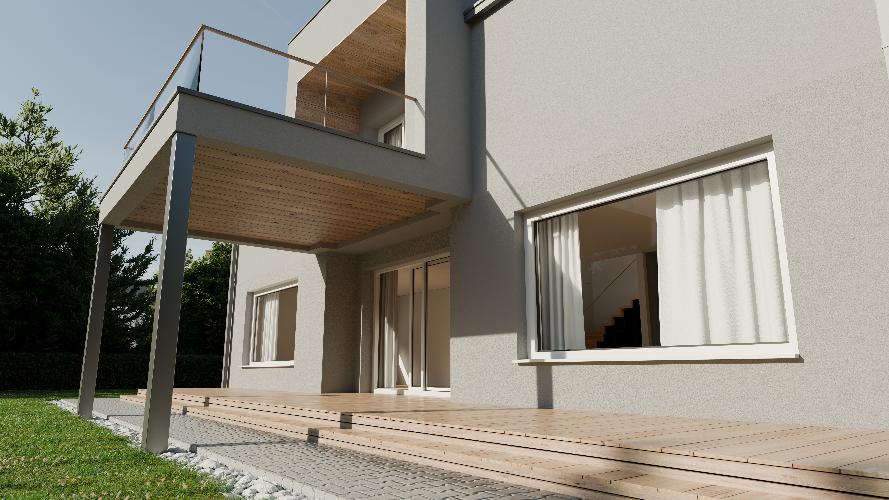
If you've noticed green algae creeping across your rendered walls, black streaks down your fascias, or a general dullness to your property's exterior, you're not alone. Rendered exteriors are increasingly common, and so is the build-up of organic growth that makes them look tired and neglected.
The good news? There's a highly effective, safe, and long-lasting solution: softwashing.
In this guide, we explain exactly what softwashing is, how it differs from pressure washing, which surfaces it works on, and why it's the method of choice for professionals when it comes to rendered walls and other delicate exterior surfaces.
What Is Softwashing?
Softwashing is a professional exterior cleaning method that uses low-pressure water combined with specially formulated biodegradable cleaning solutions to safely remove algae, moss, lichen, mould, bacteria, and other organic growth from exterior surfaces.
Unlike pressure washing - which relies on the force of water to blast away dirt - softwashing works at the chemical level. The cleaning solutions penetrate and kill organic matter at its root, rather than simply removing what's visible on the surface. This means results last significantly longer, and the risk of damaging surfaces is dramatically reduced.
How Does Softwashing Work?
The term "softwashing" comes from the low-pressure application method. Water is typically delivered at around 100 PSI or less, compared to the 1,500–3,000 PSI used in conventional pressure washing. The cleaning is done by the chemistry, not the force.
Softwashing solutions - generally a carefully diluted blend of sodium hypochlorite, surfactants, and biocides - are applied to the surface and allowed to dwell. They penetrate the organic growth, breaking it down and killing it all the way to the root. A gentle rinse then removes the residue, leaving a clean, treated surface.
Where Did Softwashing Come From?
Softwashing was developed in the United States in the 1990s and has since become the industry standard for exterior cleaning of render, roofing, timber cladding, and other delicate materials worldwide. It's now the method of choice for professional exterior cleaning companies across the UK, including here in Hampshire.
What Is the Difference Between Softwashing and Pressure Washing?
This is one of the most common questions homeowners ask - and it's an important one, because choosing the wrong method can cause real, lasting damage to your property.
|
Softwashing |
Pressure Washing |
|
|
Pressure used |
Low (approx. 100 PSI) |
High (1,500–3,000+ PSI) |
|
Cleaning agent |
Biodegradable chemical solutions |
Water alone (or water + detergent) |
|
How it cleans |
Kills organic growth at the root |
Blasts surface debris away |
|
Results last |
4–6 years typically |
1–2 years (growth returns faster) |
|
Risk of damage |
Very low when applied correctly |
Higher - can erode render, strip paint, damage pointing |
|
Best for |
Render, roofing, cladding, fascias |
Hard surfaces: concrete, block paving, driveways |
The Core Difference: Chemistry vs Force
Pressure washing is essentially a mechanical process - it removes what's on the surface using physical force. Softwashing is a biological and chemical process - it treats the source of the contamination.
Why Pressure Washing Can Damage Rendered Surfaces
When it comes to rendered walls, UPVC, painted timber, or roof tiles, pressure washing carries a significant risk of damage. High-pressure water can crack render, force water behind cladding, erode pointing, and strip surface coatings. It can also spread algae spores to other areas of the property - meaning you may end up with a bigger problem than when you started.
Is Softwashing Better Than Pressure Washing?
For most exterior surfaces - and particularly for rendered properties - yes, softwashing is the superior choice.
Softwashing Kills, Not Just Cleans
Pressure washing removes the visible signs of biological growth, but it doesn't kill the organisms causing it. Algae, mould, and lichen have root systems - called rhizines and hyphae - that penetrate deep into surface materials. If these aren't destroyed, regrowth begins almost immediately, often within months.
Softwashing solutions penetrate the surface and kill organic growth all the way to the root. This means surfaces stay cleaner for much longer - usually four to six years, compared to one to two years after pressure washing.
Softwashing Is Safer for Your Property
Rendered walls - particularly modern thin-coat and monocouche renders - are not designed to withstand high-pressure water. Even a small crack introduced by pressure washing can allow water ingress, leading to damp problems, internal staining, and costly remedial work. In Hampshire's damp climate, this is a genuine concern.
Softwashing applies water at a pressure no stronger than a garden hose, eliminating the risk of surface damage when carried out by a trained professional.
Softwashing Is More Environmentally Considered
Professional softwashing solutions are biodegradable and break down safely after application. They're designed to minimise run-off impact - particularly important in the coastal and rural areas of Hampshire where environmental considerations are heightened.
What Surfaces Can Softwashing Be Used On?
Softwashing is a remarkably versatile cleaning method. Professionally applied, it is safe and highly effective on a wide range of exterior surfaces.
Rendered Walls
This is arguably where softwashing excels most. It's safe and effective on K-Rend, Parex, Weber and other monocouche and thin-coat render systems, as well as traditional sand and cement render. All of these surfaces are porous enough to be damaged by high-pressure water - and all of them respond exceptionally well to softwashing.
Roof Tiles
Softwashing is far safer than pressure washing for roof cleaning and significantly extends the life of tiles by eliminating moss and lichen growth. It works well on concrete roof tiles, clay tiles, and many slate surfaces.
UPVC Fascias, Soffits, and Cladding
Softwashing removes black algae staining from UPVC fascias, soffits, guttering, cladding, and window frames without yellowing or marking the surface - a common risk with abrasive or high-pressure methods.
Timber Cladding and Fencing
Treated and untreated timber, feather-edge boarding, and shiplap cladding all benefit from softwashing. It cleans thoroughly without raising the wood grain or forcing moisture deep into the timber structure.
Painted Masonry and Brickwork
Softwashing is particularly useful for older properties or listed buildings where pressure washing would be entirely inappropriate. It cleans effectively at low pressure without disturbing paint, lime render, or fragile pointing.
Garden Walls, Patios, and Paths
Where biological growth is moderate and surface preservation is a priority, softwashing provides a gentle yet effective clean for garden walls and lightly trafficked paved areas.
Commercial Premises
Warehouses, retail units, offices, and industrial buildings across Hampshire often have large areas of cladding, render, and roofing that benefit enormously from commercial softwashing treatments - both for appearance and for the long-term protection of the building envelope.
When Is Pressure Washing the Better Option?
It's worth noting that softwashing is not the best choice for every surface. Very dense, hard surfaces such as block paving, concrete driveways, or natural stone flags - where there's no risk of surface damage from high pressure - may respond better to jet washing. A reputable exterior cleaning company will always assess your property and recommend the right method for each surface.
When Is Softwashing Used?
Softwashing is the preferred method any time surface preservation is a priority alongside effective cleaning.
When You Have Render on Your Property
Render is porous and relatively soft compared to brick or concrete. It's highly susceptible to damage from high-pressure water, and it's also an ideal environment for algae and moss growth - especially in Hampshire, where we receive generous rainfall throughout the year.
When There Is Visible Biological Growth
Green algae, black mould, orange lichen, or pink bacteria on exterior walls or roof surfaces are all indicators that softwashing is needed. These aren't just cosmetic issues - left untreated, organic growth accelerates the degradation of render and other exterior materials by retaining moisture and undermining the surface structure.
When You Want Long-Lasting Results
If you've had your property jet washed before and noticed the green returns within a year, softwashing is the answer. The biocidal treatments leave a residual effect that actively inhibits regrowth for years after treatment.
When You're Preparing a Property for Sale
Kerb appeal matters enormously to buyers. A freshly softwashed render can transform the appearance of a property and add genuine market value - particularly relevant in competitive Hampshire property markets like Winchester, Eastleigh, and the Test Valley area.
When the Building Is Older or Has Delicate Features
Older lime renders, decorative stonework, or heritage brickwork require a gentle approach. Softwashing provides a thorough clean without the destructive force of high pressure, making it the responsible choice for period properties across the county.
What Are the Benefits of Softwashing?
Long-Lasting Results
Softwashing typically keeps surfaces clean and free of biological growth for four to six years, making it far more cost-effective over time than annual jet washing.
No Risk of Surface Damage
Applied correctly at low pressure, softwashing carries no risk of cracking, eroding, or delaminating render, tiles, or cladding - preserving the integrity of your property's exterior.
It Kills Growth at the Root
Rather than displacing algae and mould, softwashing destroys the organisms entirely - including their root systems - preventing rapid regrowth and leaving surfaces treated at a biological level.
Dramatic Visual Restoration
Even heavily stained or deep-green render returns to a fresh, clean appearance after softwashing. On heavily soiled properties, the transformation can be remarkable - often making a home look significantly newer.
Protects Your Investment
Exterior cleaning is property maintenance. By removing biological growth that causes material degradation, softwashing extends the lifespan of your render, tiles, and other exterior surfaces - saving you money on repairs and replacement down the line.
Safe for Planting and the Surrounding Environment
Professional-grade softwashing solutions are carefully diluted and biodegradable. When applied by a trained technician, surrounding planting, lawns, and drainage are properly protected throughout the cleaning process.
Improves Property Value and Kerb Appeal
A clean, well-maintained exterior has a tangible effect on both market value and rental appeal - something especially relevant across the thriving Hampshire property market.
Can I Do Softwashing Myself?
This is a question we're asked regularly, and the honest answer is: technically yes, but it's not advisable.
The Chemistry Is Specialised
The cleaning solutions used in professional softwashing are carefully formulated mixtures of sodium hypochlorite, surfactants, and biocides, blended at precise concentrations for different surface types. Getting the mix wrong can result in streaking, surface bleaching, damage to paintwork, or harm to nearby vegetation. At the other extreme, an underpowered solution will simply fail to kill the growth - leaving you with a job half done.
Professional-grade chemicals are not freely available to the public at the concentrations required, and consumer alternatives are generally far less effective.
The Equipment Makes a Significant Difference
Professional softwashing requires purpose-built low-pressure delivery systems - not a standard garden sprayer. Achieving even, controlled coverage over large areas of render or roofing requires specialist equipment, including telescopic lances and appropriate pumping systems that most homeowners don't have access to.
Working at Height Is Dangerous
Much exterior cleaning - particularly roof cleaning and upper-floor render - requires working at height. Professional exterior cleaners are trained in working-at-height safety, carry appropriate public liability insurance, and use correct access equipment. DIY attempts from ladders on wet, algae-covered surfaces carry a serious risk of injury.
Professional Results Are Reliably Better
Beyond safety and equipment, experience genuinely matters. Knowing how to assess a surface, identify the right treatment strength, protect surrounding areas, and apply solutions for maximum effect comes with professional training and years of practical experience.
If you're in Hampshire and looking for effective, safe exterior cleaning for your render or other exterior surfaces, the most cost-effective and safest approach is always to use a qualified professional.
Get a Soft Washing Free Quote from Ultra Cleaning Services
Ultra Cleaning Services are Hampshire's trusted exterior cleaning specialists, providing professional softwashing for rendered properties, roofs, UPVC, cladding, and more across the county.
We use industry-leading equipment and fully biodegradable professional-grade solutions, and all our work is carried out by trained, insured technicians. Whether your property needs a single rendered elevation cleaned or a full exterior treatment including roof, fascias, and pathways, we'll provide an honest assessment and a competitive quote.