
Why Does Render Turn Green?
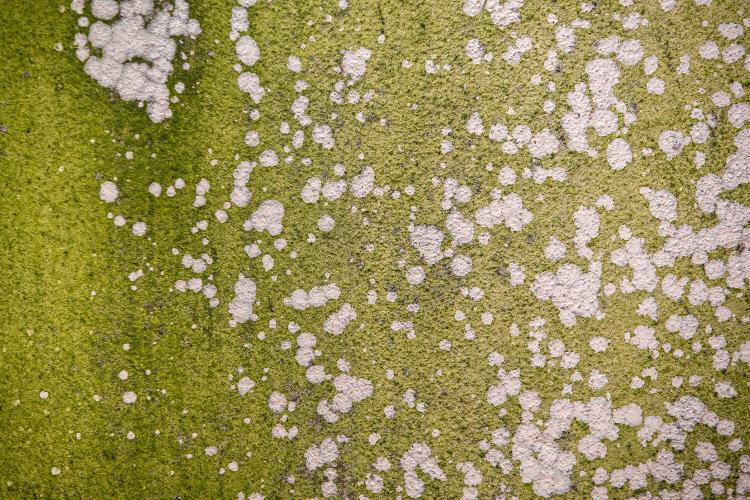
Render turns green because moisture on the surface allows algae, moss and lichen to grow, particularly on shaded or poorly ventilated walls. This article explains what render is, why stains on render develop, the key reasons for green render, how to remove algae on rendered walls, and - most importantly - how to stop render turning green permanently.
What Is Render on External Walls? (Types of Render Explained)
Render is an exterior wall finish applied to protect masonry from weather while improving appearance. Although designed to be durable, most renders are microscopically porous, meaning they can hold moisture - one of the main contributors to green staining.
Common render types and how they behave:
Cement render
Hardwearing but highly porous; more prone to algae growth
Lime render
Breathable and flexible; can still discolour in damp conditions
Monocouche render
Coloured through; often marketed as low maintenance but still vulnerable to algae
Silicone render
Water-repellent and breathable; better resistance but not algae-proof
Understanding your render type is essential when choosing the best treatment for algae on render, as incorrect cleaning methods can cause damage.
Why Does Render Turn Green?
Green stains on render are caused by organic growth, not pollution or dirt. Algae spores are airborne and settle on damp surfaces, especially where moisture lingers.
The most common causes include:
- Persistent moisture from rainfall, condensation or splashback
- North-facing or shaded walls with limited sunlight
- Poor airflow around extensions, fences or garages
- Nearby vegetation releasing spores and blocking light
- Ageing or porous render that absorbs water more easily
- Blocked gutters or downpipes allowing water to track down walls
Once algae establishes itself, it spreads quickly - leading to visible algae on rendered walls that worsens year after year if untreated.
What Are the Green Stains on Render Made Of?
Most green render staining is biological and falls into three categories:
- Algae – slimy green growth, most common on smooth render
- Moss – thicker, sponge-like growth that holds moisture
- Lichen – crusty patches, often grey-green, slow growing but stubborn
These organisms thrive in damp UK conditions and feed on airborne nutrients. Over time, they penetrate the surface, making DIY removal difficult and increasing the risk of regrowth.
Why Is Algae on Rendered Walls So Common in the UK?
Searches like “why does render turn green” and “algae on rendered walls” are especially common in the UK due to climate factors.
UK-specific contributors include:
- Frequent rainfall and high humidity
- Mild temperatures that allow year-round growth
- Long winter periods with limited sunlight
- Modern housing designs with shaded elevations
Even newer homes with modern render finishes are affected - often within just a few years.
Can I Jet Wash Render? (Is Pressure Washing Safe?)
One of the most searched questions about render cleaning is can I jet wash render? In most cases, the answer is no.
Jet washing can:
- Etch or strip the render surface
- Remove protective coatings
- Force water into cracks and behind render
- Cause micro-damage that speeds up future algae growth
While pressure washing may temporarily remove surface staining, it often shortens the lifespan of the render and causes algae to return faster and darker.
What Is the Best Treatment for Algae on Rendered Walls?
The most effective and safest method is professional soft washing.
Soft washing works by:
- Applying a specialist biocidal solution
- Killing algae, moss and lichen at the root
- Gently breaking down green staining over time
- Preventing rapid regrowth without surface damage
Unlike jet washing, soft washing treats the cause, not just the visible stain - making it widely regarded as the best treatment for algae on render.
How to Stop Render Turning Green Again (Long-Term Prevention)
If you're searching for how to stop render turning green, prevention is key.
Long-term solutions include:
- Regular biocidal soft wash treatments
- Keeping gutters and downpipes clear
- Trimming back trees, hedges and climbing plants
- Improving airflow around external walls
- Addressing drainage or splashback issues
- Using algae-resistant or breathable coatings
Professional maintenance significantly reduces the frequency of cleaning and keeps render looking fresh for longer.
Can I Paint Over Green Render?
Painting over green render without cleaning it properly will not solve the problem.
If algae remains:
- Growth will continue beneath the paint
- Paint may peel, blister or discolour
- Green staining often reappears within months
Correct process:
- Fully treat and remove algae
- Allow the render to dry completely
- Use a breathable masonry paint if repainting is required
In many cases, a professional clean restores the render so effectively that painting isn't necessary.
Is Green Render a Sign of Structural Damage?
Green render is usually cosmetic - but ignoring it can lead to issues.
Long-term algae growth can:
- Trap moisture against the wall
- Highlight cracks or weaknesses
- Accelerate surface deterioration
Early treatment protects both appearance and longevity.
When Should Render Be Professionally Cleaned?
You should consider cleaning if:
- Green stains are spreading
- Render looks patchy or dull
- Algae returns quickly after DIY cleaning
- The property exterior looks tired or neglected
The earlier render is treated, the easier and more cost-effective the solution.
Professional Render Cleaning with Ultra Cleaning Services
At Ultra Cleaning Services, we specialise in safe, professional render cleaning using proven soft washing methods. We remove stains on render, eliminate algae on rendered walls, and help homeowners stop render turning green long-term.
Contact Ultra Cleaning Services today for expert advice and a no-obligation quote - and restore your render safely and professionally.